ADMC
COMPANY LAW
Company law governs the formation, operation, and dissolution of corporations. In India, it is primarily regulated by the Companies Act, ...
Courses built by people who teach for a living, with feedback along the way.
Study when it suits you, on any device, and pick up exactly where you left off.
See what you have completed and what is next, course by course.
Company law governs the formation, operation, and dissolution of corporations. In India, it is primarily regulated by the Companies Act, ...
botany, branch of biology that deals with the study of plants, including their structure, properties, … Plants were of Paramount ...
The desire of the Europeans to come to India for finding immense wealth becomes apparent from the accounts of the contemporary scholars, ...
17-ஆம் நூற்றாண்டு முதல் தற்காலம் வரையிலான தமிழ் இலக்கியமே இக்கால இலக்கியம் எனப்படுகிறது. இது ஐரோப்பியர்களின் வருகை, அச்சு இயந்திரத்தின் அ...
Materials science is an interdisciplinary field that studies the composition, structure, and properties of solid matter to design new ...
Join 100 learners on VEDHA LMS.
VEDHA VENTURES TRAINING COURSE BY Priya
LMS TRAINING

LMS TRAINING @ KPR

CEC366 Image processing III year V semester ECE
After training participants will be able to:

Constitutional history
botany, branch of biology that deals with the study of plants, including their structure, properties, … Plants were of Paramount importance to early humans
The desire of the Europeans to come to India for finding immense wealth becomes apparent from the accounts of the contemporary scholars, travellers and also from the study of literary works. Whereas the renowned writer Shakespeare termed India as a land of great opportunities, the famous poet John Milton while discussing the specific attributes of different countries referred to Indian riches. Similarly, while the German Philosopher Hegel called India as the ‗land of desires‘, the Swiss Writer Landstrok wrote, ―The routes and means were many, but the goal was always the same, to reach the fabled land of India, a country overflowing with fabulous riches of gold, silver, precious gems, exotic spices and fabrics‖. India‘s cultural heritage and spiritual richness had impressed many scholars and travelers from Europe and Asia. The intention of the majority of the European travellers and traders was to find wealth, expand trade and spread Christianity which in course of time was transformed into objectives of establishing political supremacy, colonialism and imperialism.
Materials science is an interdisciplinary field that studies the composition, structure, and properties of solid matter to design new materials for specific technological applications. Drawing from physics, chemistry, and engineering, it focuses on the processing–structure–properties–performance paradigm to optimize everything from metals and polymers to advanced nanomaterials.
History of Tamilnadu is one of the most famous historical thinking in the world.
சங்க இலக்கியம் என்பது கி.மு. 500 முதல் கி.பி. 200 வரையிலான காலத்தில் தோன்றிய பழந்தமிழ் இலக்கியங்களின் தொகுப்பாகும். இது தமிழர்களின் வாழ்வியலை அகம் (காதல்) மற்றும் புறம் (வீரம், கொடை, ஆட்சி) என இரு பிரிவுகளாகப் பிரிக்கிறது. இவை எட்டுத்தொகை மற்றும் பத்துப்பாட்டு என இரண்டு முக்கிய நூல்களாகத் தொகுக்கப்பட்டுள்ளன
Numerical Methods is a branch of mathematics that develops techniques for solving mathematical problems using numerical approximations. It is used when exact analytical solutions are difficult or impossible to obtain. The subject includes methods for solving equations, systems of linear equations, interpolation, numerical differentiation and integration, and ordinary differential equations. Numerical methods are widely applied in science, engineering, economics, and computer applications because they provide accurate and efficient solutions to real-world problems.
gravitational force
Study about electronic devices and circuits
Pollution
Electric Circuit Analysis
Company law governs the formation, operation, and dissolution of corporations. In India, it is primarily regulated by the Companies Act, 2013 and administered by the Ministry of Corporate Affairs (MCA). It ensures corporate transparency, protects stakeholder interests, and establishes the legal responsibilities of directors and management.
17-ஆம் நூற்றாண்டு முதல் தற்காலம் வரையிலான தமிழ் இலக்கியமே இக்கால இலக்கியம் எனப்படுகிறது. இது ஐரோப்பியர்களின் வருகை, அச்சு இயந்திரத்தின் அறிமுகம் ஆகியவற்றால் உத்வேகம் பெற்று, மரபுக் கவிதைகள் மற்றும் நாவல், சிறுகதை போன்ற உரைநடை வடிவங்களின் எழுச்சியைக் கண்டது.
How do use analytical tool and Spectroscopic Techniques
Dot Net uses Website Creation

this course useful for UG and PG Commerce students
The Indus Valley Civilisation (IVC) was a vast Bronze Age society (c. 3300–1300 BCE) spanning present-day Pakistan, northwest India, and northeast Afghanistan. Centered around the Indus River and its tributaries, it was the largest of the early Near Eastern and South Asian civilisations, famed for its advanced urban planning and standardized infrastructure.
MICRO ECONOMICS
The classical theory of interest, developed by economists like Adam Smith, David Ricardo, and Alfred Marshall, states that the interest rate is determined exclusively by the supply of and demand for capital. In this model, interest is a purely real phenomenon representing the reward for saving (abstinence) and the productivity of capital. [1, 2, 3]
Environmental studies is an interdisciplinary academic field that examines how humans
Java is a programming Language
Industrial and labour relations govern the dynamic interactions between employers, employees, trade unions, and the government. The field focuses on collective bargaining, resolving workplace disputes, ensuring fair labour standards, and promoting industrial harmony to drive both organizational productivity and employee well-being.
Course Overview
This course explores the multifaceted relationship between labour and management. Students will learn the theoretical frameworks, legal frameworks, and practical strategies required to manage workplace conflicts, negotiate collective agreements, and foster equitable employment environments.
Management is the process of planning, organizing, staffing, directing, and controlling an organization's resources to achieve its objectives efficiently and effectively. It helps coordinate the efforts of employees and ensures the proper use of available resources. Good management improves productivity, decision-making, and organizational performance.
Complex analysis is the branch of mathematics that extends calculus to complex numbers. It examines functions where both inputs and outputs are complex numbers, z = x + iy. Because the input plane has two dimensions, these complex-differentiable (or holomorphic) functions exhibit incredible geometric rigidity and beautiful, unexpected properties
THE INVESTMENT FUNCTION: MEANING, TYPES, DETERMINANTS AND DISTINCTION: 1. Meaning of Capital and Investment: In ordinary parlance, investment means to buy shares, stocks, bonds and securities which already exist in stock market. But this is not real investment because it is simply a transfer of existing assets. Hence this is called financial investment which does not affect aggregate spending. In Keynesian terminology, investment refers to real investment which adds to capital equipment. It leads to increase in the levels of income and production by increasing the production and purchase of capital goods. Investment thus includes new plant and equipment, construction of public works like dams, roads, buildings, etc., net foreign investment, inventories and stocks and shares of new companies. In the words of Joan Robinson, “By investment is meant an addition to capital, such as occurs when a new house is built or a new factory is built. Investment means making an addition to the stock of goods in existence.” Capital, on the other hand, refers to real assets like factories, plants, equipment, and inventories of finished and semi-finished goods. It is any previously produced input that can be used in the production process to produce other goods. The amount of capital available in an economy is the stock of capital. Thus capital is a stock concept. To be more precise, investment is the production or acquisition of real capital assets during any period of time. To illustrate, suppose the capital assets of a firm on 31 March 2004 are Rs 100 crores and it invests at the rate of Rs 10 crores during the year 2004-05. At the end of the next year (31 March 2005), its total capital will be Rs 110 crores. Symbolically, let I be investment and К be capital in year t, then It = Kt– Kt- 1.
Microbiology is the scientific study of microorganisms—life forms too small to be seen with the naked eye. It explores their structure, function, ecology, and classification. While a fraction cause disease (pathogens), the vast majority are essential for human health, agriculture, and global ecosystems.
Phylum Chordata includes all animals that possess a notochord, a dorsal hollow nerve cord, pharyngeal gill slits, and a post-anal tail at some point in their life cycle. It is divided into three subphyla: Urochordata (tunicates), Cephalochordata (lancelets), and Vertebrata (animals with backbones)
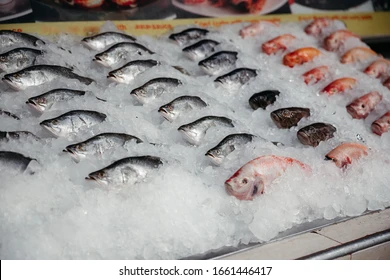
Fish freezing technology is a method of preserving fish by lowering its temperature below its freezing point, typically to -18°C or lower, to slow microbial growth, enzyme activity, and chemical spoilage. This process helps maintain the fish's freshness, nutritional value, texture, and flavor for extended storage and transportation.
Steps in Fish Freezing
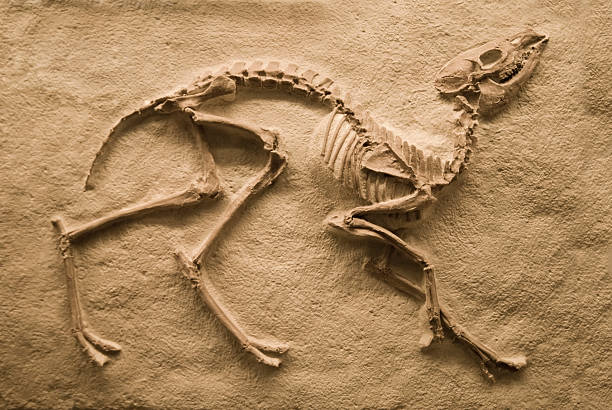
Paleontology is the scientific study of prehistoric life and Earth’s history through the examination of fossils. It bridges biology (the study of life) and geology (the study of Earth's structure and rocks) to understand how organisms evolved, adapted, and interacted with ancient ecosystems over billions of years

World translation is the process of transferring ideas, literature, knowledge, and culture from one language to another. It promotes communication among people of different linguistic and cultural backgrounds, helping to spread knowledge, preserve literary works, and encourage mutual understanding. Translation has played a significant role throughout history by making religious texts, scientific discoveries, and literary masterpieces accessible worldwide. Today, it is essential in education, business, diplomacy, media, and technology, connecting people across the globe while respecting cultural diversity.
TAMIL ILAKKANAM VARALARU
NATTINAI 1,2, SONG
KURUNTHOGAI -3 SONG
KALITHOGAI - 51
Resource management techniques are methodologies used to efficiently allocate, schedule, and optimize an organization's available assets—such as staff, time, finances, and equipment—to maximize productivity and avoid burnout.

To learn about the civilization
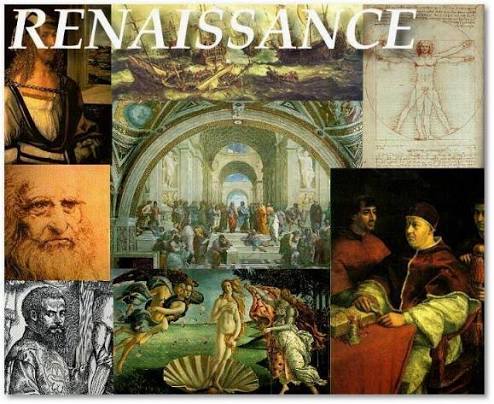
Elaborative study of England from 11 th century. It consists of major movements, periods and life of people in England.

The Indian Constitution is the supreme law of india. It is the world's longest written constitution.
காப்பியம் என்பது அறம், பொருள், இன்பம், வீடு (அ) மோட்சம் ஆகிய நான்கு உறுதிப் பொருட்களை உள்ளடக்கி, மாண்புடைய தலைவனைப் பாடுவது அல்லது ஒரு நீண்ட கதையை விவரிக்கும் தொடர்நிலைச் செய்யுளாகும். இவை ஐம்பெருங்காப்பியங்கள் மற்றும் ஐஞ்சிறு காப்பியங்கள் என இரு வகையாகப் பிரிக்கப்பட்டுள்ளன.
Management is the process of planning, organizing, staffing, directing, and controlling an organization's resources to achieve its objectives efficiently and effectively. It helps coordinate the efforts of employees and ensures the proper use of available resources. Good management improves productivity, decision-making, and organizational performance.
Accounting information that is useful to the management.
Biomolecules are organic molecules present in living organisms that are essential for life. They are mainly composed of carbon, hydrogen, oxygen, nitrogen, phosphorus, and sulfur.

The Operating Systems course teaches the principles and functions of an operating system, including process management, memory management, file systems, CPU scheduling, synchronization, deadlocks, and security. It helps students understand how computer systems operate efficiently and provides a strong foundation for advanced computing technologies and IT careers.

Astronomy is the scientific study of everything in the universe beyond Earth's atmosphere, including stars, planets, galaxies, and the origins of the cosmos. It relies heavily on physics and mathematics to understand the physical and chemical properties of celestial objects.
Studying world literature in translation is essential because it dismantles cultural barriers, fosters global empathy, and allows us to engage with timeless human themes across diverse societies. It democratizes access to masterpieces that would otherwise be locked behind language barriers, ultimately enriching our worldview and deepening our understanding of the human condition.
Invertebrates are cold-blooded animals that lack a vertebral column (backbone). Comprising over 95% of all known animal species, they are incredibly diverse and inhabit almost every environment on Earth. They range from simple, single-celled organisms to complex creatures with highly developed nervous and circulatory systems.
Genetics is a study about genes and its functions.
This course covers the fundamentals of Water Chemistry, Leather Chemistry, and Dairy Chemistry. Students learn about soft and hard water, water hardness, reverse osmosis, ion exchange, and water quality analysis (TDS, hardness, BOD, and COD). It also introduces leather manufacturing, including hide structure, pre-tanning, vegetable tanning, and chrome tanning. In Dairy Chemistry, students study the composition and properties of milk, milk processing methods (boiling, pasteurization, sterilization, and homogenization), and the production of cream, butter, ghee, ice cream, and milk powder. Overall, the course provides basic knowledge of water treatment, leather processing, and dairy technology.

Tableau is a popular business intelligence and visual analytics software designed to help people see, understand, and make decisions with data.
In this study we learn about administrative system of public.
Invertebrates are cold-blooded animals that lack a vertebral column (backbone). Representing over 95% of all animal species on Earth, this diverse group includes insects, mollusks, arachnids, crustaceans, and worms. They inhabit every ecosystem and play vital roles as pollinators, decomposers.

Canning technology is a food preservation method that extends the shelf life of food by sealing it in airtight containers and applying heat to destroy harmful microorganisms and deactivate enzymes. The process helps maintain food safety while preserving nutritional value, flavor, and texture for long periods without refrigeration.
Tamil Nadu boasts one of the longest continuous cultural histories in the world, with archaeological sites like Adichanallur and Keeladi showing human habitation dating back thousands of years. The region’s timeline is defined by ancient Sangam empires, a medieval golden age of temple architecture, and a rich colonial and post-independence political transformation
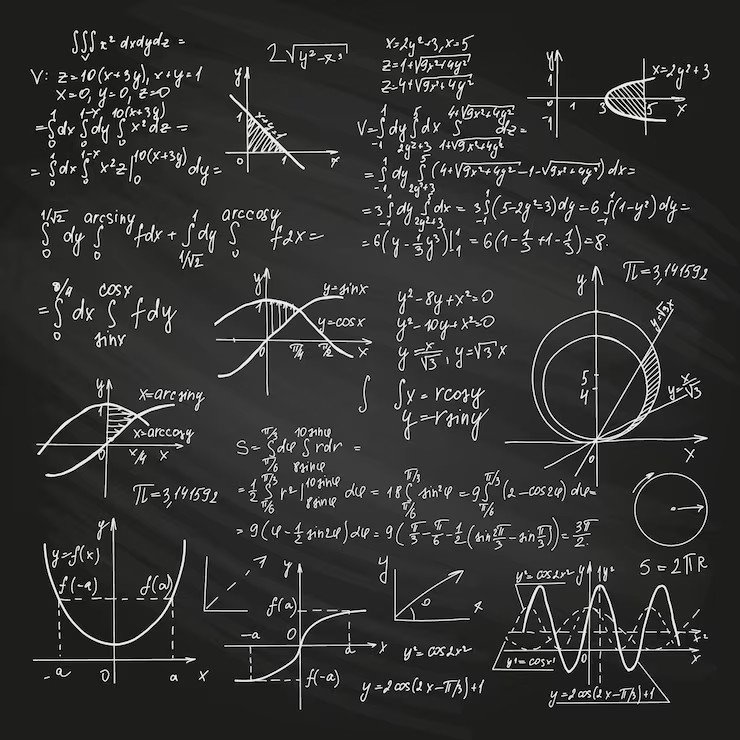
This course is designed to teach the final year B.Sc Mathematics students about the fundamentals and importance of Real analysis.

Algebra is a branch of mathematics that substitutes letters (called variables) for unknown numbers to solve equations and express mathematical relationships.

Vector Calculus and Fourier Series is a under graduate course which is an application of differential and integral calculus.

Financial accounting is the branch of accounting that records,summarises and reports the financial transactions of a business.
Numerical methods are mathematical techniques used to find approximate solutions to complex problems that cannot be solved exactly.

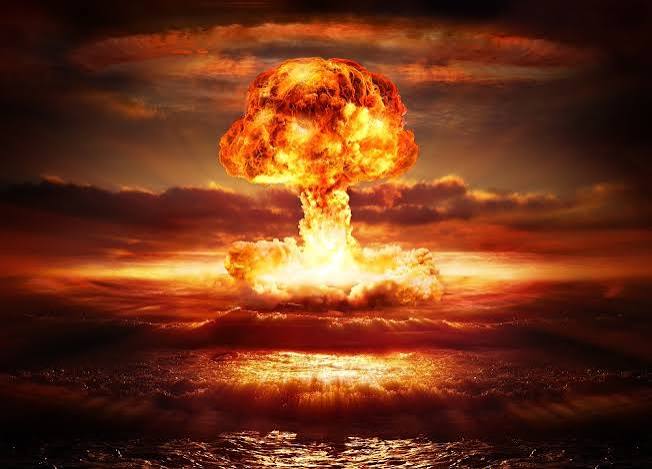
Nuclear physics is the study of atomic nuclei, their constituents (protons and neutrons), and the fundamental interactions that bind them. It explains phenomena like radioactive decay, nuclear fission, and nuclear fusion, driving critical advancements in clean energy generation, medical diagnostics, and materials science.
Nuclear physics is a scientific discipline that studies the structure of nuclei, their formation and stability. It mainly focuses on understanding the fundamental nuclear forces in nature and the complex interactions between neutrons and protons.
Nuclear Physics is defined as the branch of physics deals with the structure of the atomic nucleus and its interactions.
Experimental nuclear physics drives innovation in scientific instrumentation. Today’s research in nuclear physics is enabling a range of new technologies in materials science chemistry, medicine, and biology. The application of nuclear physics lies largely in the field of power generation using nuclear energy. Once the force holding the nucleus was understood, we started splitting and fusing neutrons. The process of splitting the nucleus to generate energy is known as Nuclear Fission and the process of fusing two neutrons to generate energy is known as Nuclear Fusion.
Studying allied microbiology is essential for a UG biochemistry degree because it bridges the gap between molecular-level chemical processes and whole-cell biology.
bridge the gap between chemical processes and living organismsoader career opportunities.
It provides critical context, practical skills, and br

Marketing Management is the process of identifying customer needs, developing products or services to meet those needs, setting appropriate prices, promoting offerings, and distributing them effectively. The course focuses on building customer relationships, creating competitive advantage, and maximizing business profitability.
An operating system (OS) is the foundational system software that manages your computer's hardware, allocates resources, and provides a platform for applications to run. It acts as an essential intermediary, translating your commands into low-level instructions the processor, memory, and storage can understand.

Advanced Operations Research (OR) tackles complex, large-scale decision-making by combining mathematics, statistics, and computer science.
It extends beyond basic linear programming to master unconventional optimization, utilizing tools like Integer Programming, Nonlinear Programming, Queuing Theory, and heuristic algorithms to maximize efficiency and allocate scarce resources
Inorganic chemistry is the study of the synthesis, structure, and behavior of all chemical compounds and elements, excluding most carbon-hydrogen-based (hydrocarbon) molecules, which fall under organic chemistry. This broad discipline covers everything from metals, minerals, and salts to organometallic compounds and materials critical to modern industry.
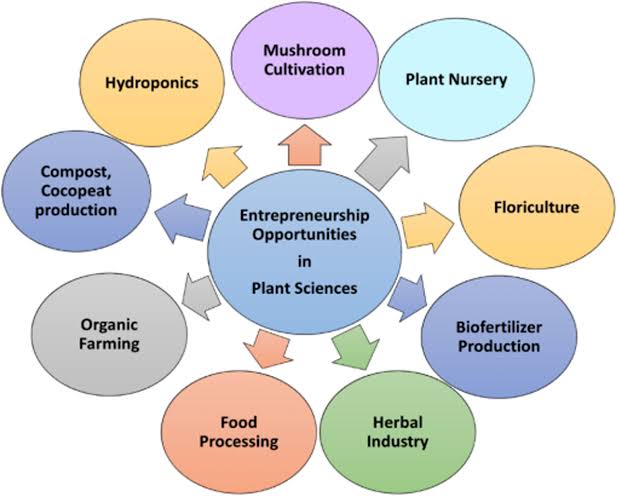
This course introduces students to the entrepreneurial potential of Botany by exploring plant-based business opportunities and sustainable ventures. It provides knowledge of commercial applications in areas such as mushroom cultivation, nursery management, floriculture, medicinal and aromatic plants, organic farming, herbal product development, plant tissue culture, biofertilizers, and value-added plant products. The course emphasizes practical skills, innovation, business planning, and marketing strategies to encourage self-employment and small-scale enterprise development. By integrating botanical knowledge with entrepreneurship, the course prepares students to create sustainable livelihoods while contributing to environmental conservation and economic growth.
Mathematical Modelling is a tool for Real life Problems
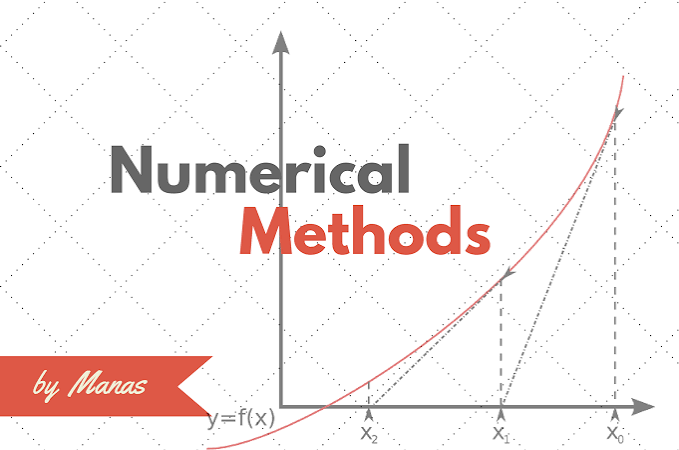
Numerical Methods are mathematical techniques used to obtain approximate solutions to problems that cannot be solved exactly or are difficult to solve analytically. They are widely used in engineering, science, economics, and computer applications to solve equations, perform integration and differentiation, and analyze complex systems.
Organic Reaction Mechanism of Synthetic importance and Industrial Application is incorporated in various chapters. Also signifies to understand the mechanism free radical initiations and hence requisite criteria to carry out the reaction process in specified temperature and solvent phases. It discusses various types of reactions as -Elimination and Free Radical Reactions, Oxidation and Reduction reactions, Rearrangement reactions, Addition to carbon-carbon multiple bond and reactions and reagents of synthetic importance.

Course Objective:
Polymer chemistry is the study of macromolecules composed of repeatinf structural units (monomers) covalently bonded into long chains. It drives the creation of diverse materials—from natural biopolymers like DNA and proteins to synthetic plastics, rubbers, and fibers—by tailoring their chemical synthesis and physical properties.
Mathematics for Economics is the application of mathematical methods and techniques to analyze economic theories, solve economic problems, and support decision-making. It provides a logical and quantitative framework for understanding relationships between economic variables
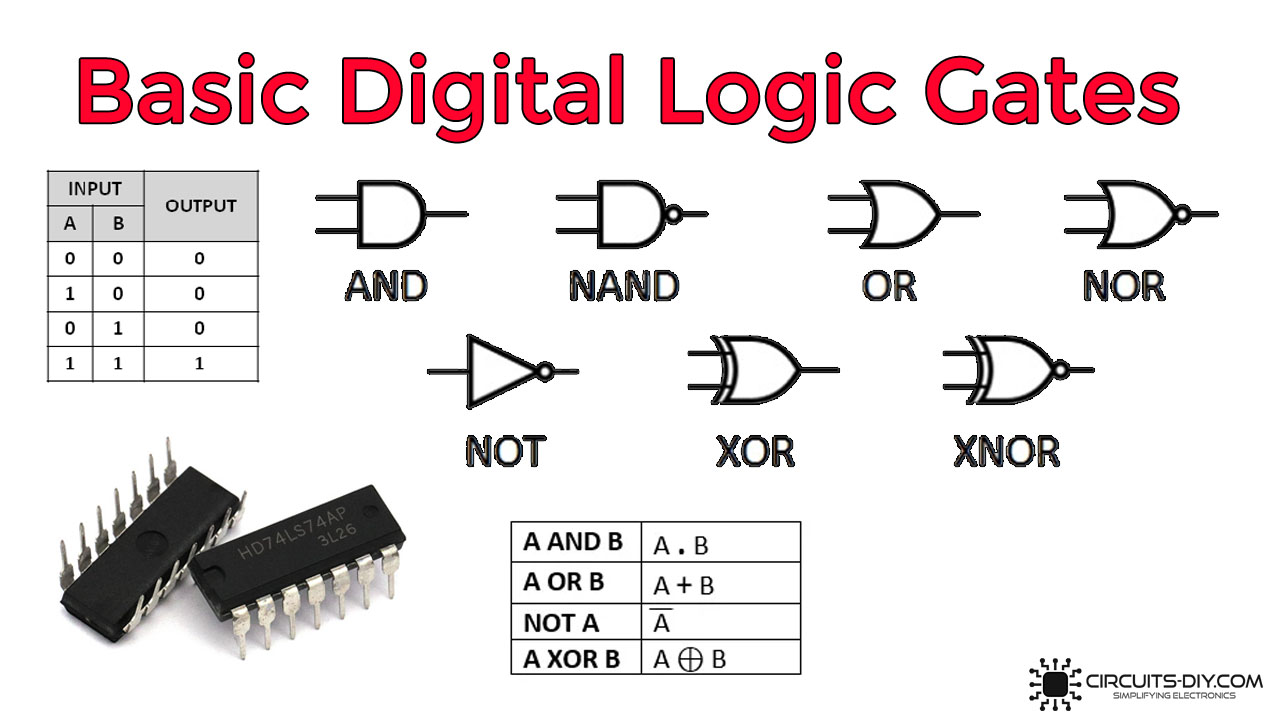
Apply digital logic principles to develop simple digital systems and solve real-world engineering problems.
CO1: Working of P and N type semiconductor, PN junction, forward and reserve biased junction ,LEDs
CO2: Analyze the behavior of materials and physical systems using concepts such as elasticity, acoustics, and thermal properties.
CO3: Apply the principles of electricity, magnetism, lasers, fiber optics, and semiconductors to solve engineering problems.
CO4: Perform physics experiments, analyze experimental data, and interpret results using scientific methods and appropriate instruments.
Course Objective:
COURSE OBJECTIVE:
This is main paper for III rd year Biochemistry students, which is very useful to know about the biochemical and physiology o plant
To know about the biochemical compounds used in many field

Azolla cultivation transforms a highly productive, nitrogen-fixing aquatic fern into a sustainable, low-cost biofertilizer and high-protein livestock feed. It thrives in shallow, shaded plots (20-35°C, pH 5-7) using simple farm materials, and can double its biomass every 5–7 days, drastically reducing farm input costs.
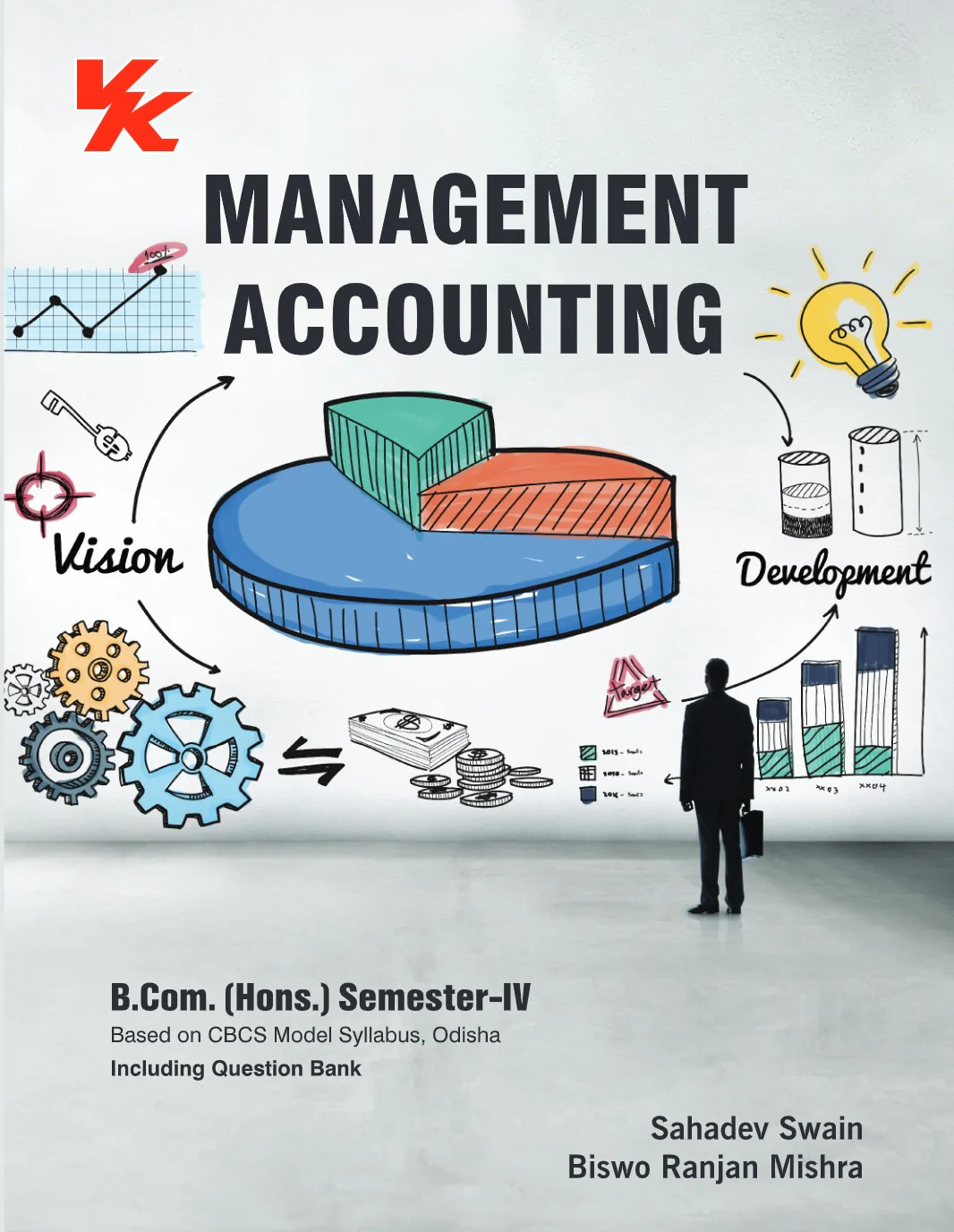
Course objective
1.To make the students to understand the fund flow
1.To make the the studends to understand the cash flow
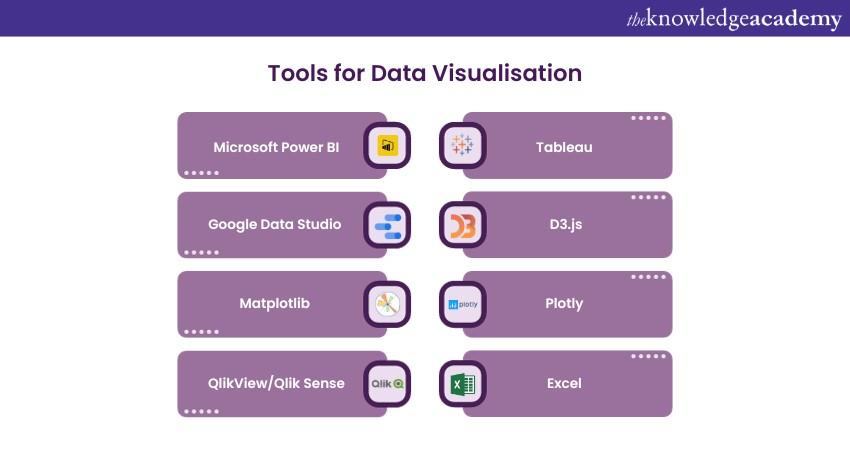
A Data Visualization Tool is software that converts raw data into charts, graphs, maps, and dashboards, making it easier to understand patterns, trends, and insights.
Common Data Visualization Tools

COURSE OUTCOMES:
CO1: Explain the fundamental concepts of energy, energy conversion, and the laws of thermodynamics relevant to engineering and technology.
CO2: Analyze the working principles, performance, and applications of conventional and renewable energy systems, including solar, wind, biomass, hydro, and geothermal energy.
CO3: Evaluate the efficiency, conservation, storage, and management of energy resources using scientific and engineering principles.
This is main paper for III rd year Biochemistry students, which is very useful to know about the biochemical and physiology o plant
To know about the biochemical compounds used in many field
Algebra is a broad branch of mathematics that substitutes letters and symbols for unknown numbers to formulate equations and solve problems.
`A differential equation is an equation involving an unknown function and its derivatives.
Azolla is a fast-growing, free-floating aquatic fern that doubles its biomass in 2–5 days. Highly valued in sustainable agriculture, it is used as a protein-rich livestock/poultry feed, a nitrogen-fixing bio-fertilizer, and a natural way to suppress weeds and reduce evaporation in paddy fields.
Apply electronics concepts in real-world applications such as communication systems, automation, embedded systems, and consumer electronics.
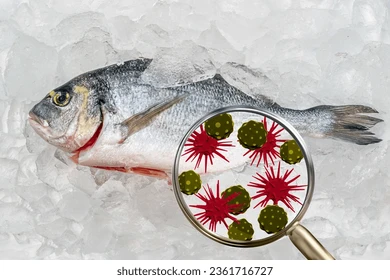
Study of Microorganisms in Fish and Fishery Products. It is used to Quality control of seafood, Shelf life study, Distribution of microorganisms in seafood etc.,
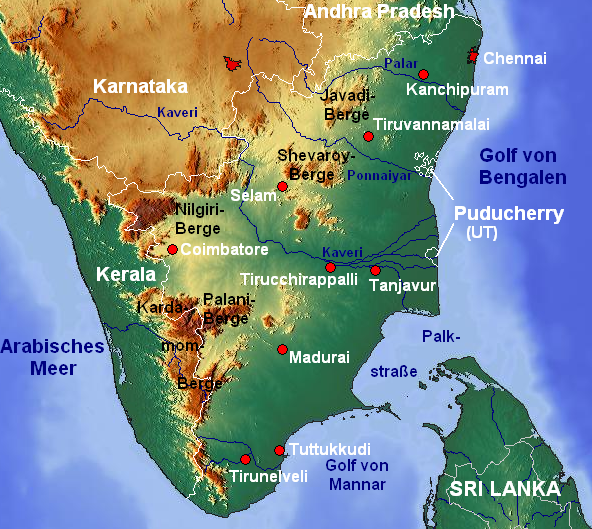
It is the paper of Geology of Tamilnadu includes mineral wealth groundwater province and also some important special geological features of tamilnadu.

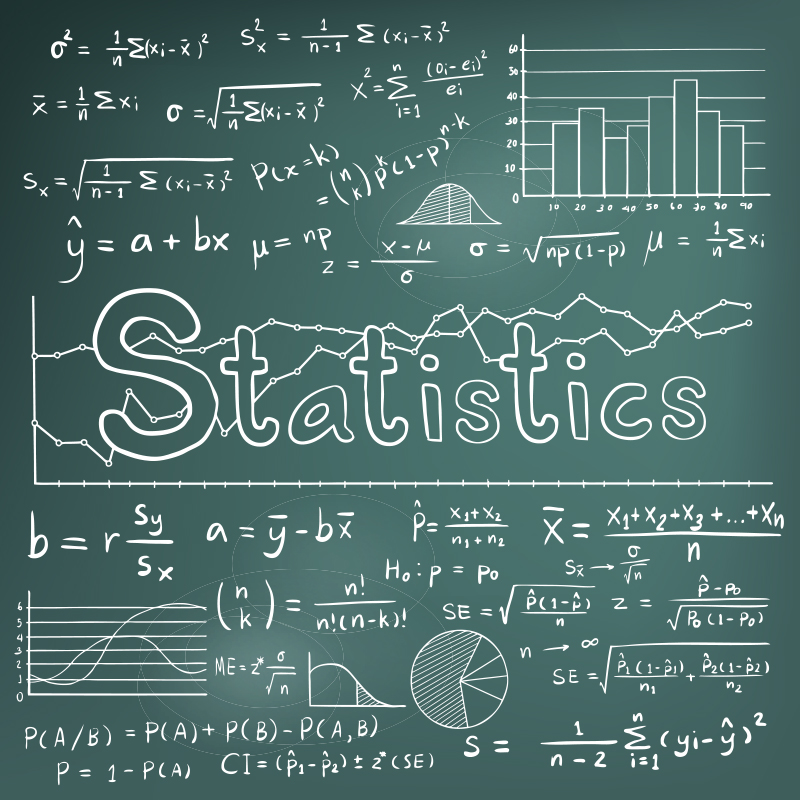
Statistics is the discipline of collecting, analyzing, interpreting, and presenting data to identify patterns and inform decision-making.
This course covers the principles of physical chemistry, including thermodynamics, chemical equilibrium, chemical kinetics, adsorption, catalysis, colloids, surface chemistry, and photochemistry. Students learn about the third law of thermodynamics, entropy, chemical potential, equilibrium constants, and reaction spontaneity. The course explains reaction rates, reaction mechanisms, activation energy, and theories of reaction kinetics. It also introduces adsorption isotherms, catalytic processes, colloidal systems, surface phenomena, molecular weight determination of macromolecules, and the laws and applications of photochemistry. Overall, the course provides a strong foundation in the behavior, kinetics, and energetics of chemical systems.

Canning Technology is a food preservation method in which food is sealed in airtight containers and heated to a specific temperature to destroy harmful microorganisms and enzymes that cause spoilage. This process extends the shelf life of food while maintaining its nutritional value, flavor, and safety.

Cell Biology and Molecular Biology are closely related branches of biology, but they focus on different levels of life organization.
Nutritional Biochemistry is the study of how nutrients are digested, absorbed, transported, metabolized, and utilized by the body at the molecular and cellular levels. It integrates principles of biochemistry, nutrition, and physiology to explain how diet influences health, growth, and disease.

MOODLE TRAINING @ ADMC - 03.07.2026 & 04.07.2026